Culture & TraditionsPlanning — in practice
Interfaith unions, a practical note
Two traditions, one day. What actually works, and what looks good on paper but fails on the morning-of.
Pandit VishwanathJanuary 20268 min
Two traditions, one day. What actually works, and what looks good on paper but fails on the morning-of.
This is home — come back anytime by clicking your names.
Two traditions, one day. What actually works, and what looks good on paper but fails on the morning-of.
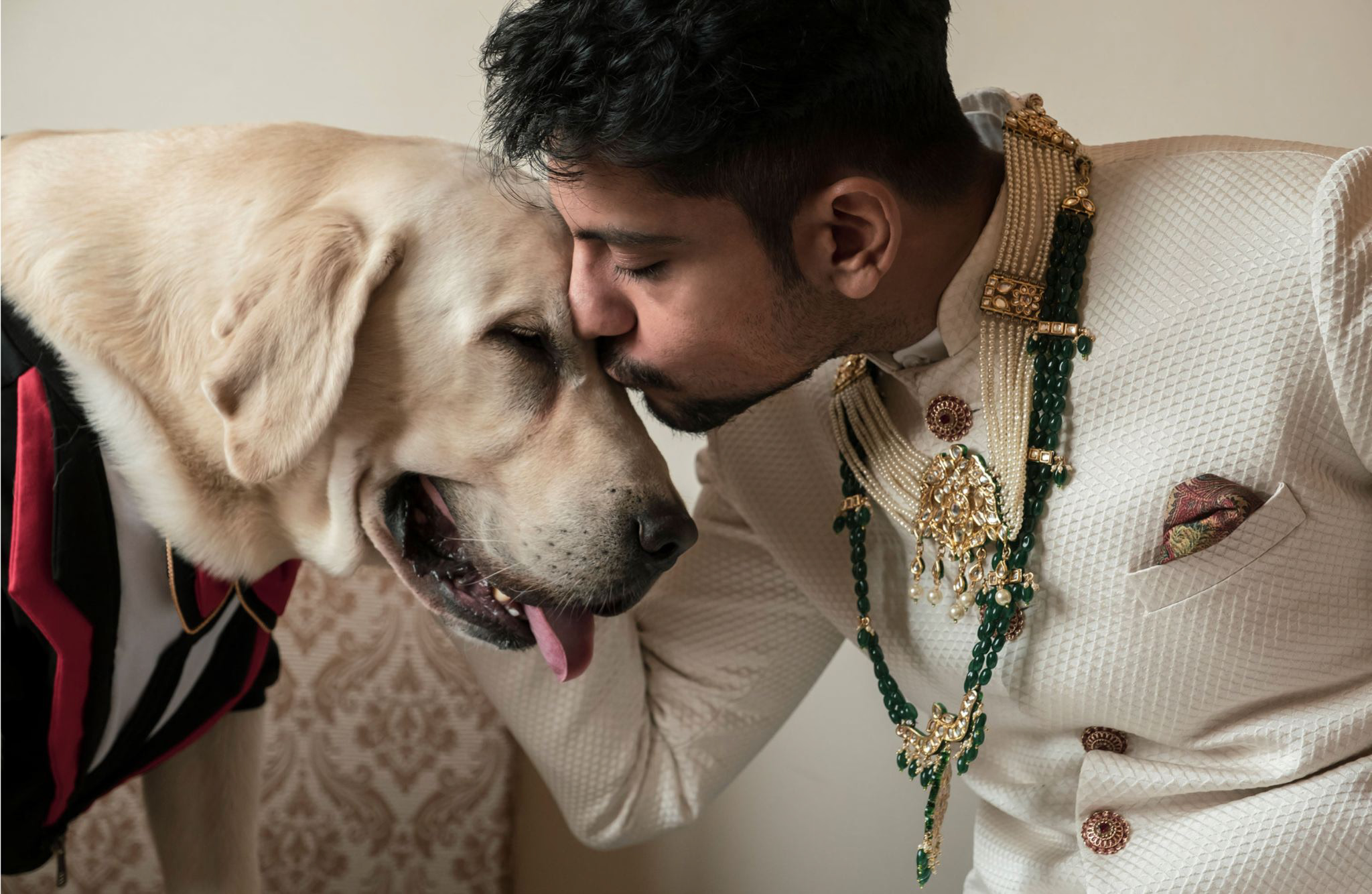
The cleanest interfaith weddings we've seen split the day: a morning ceremony in one tradition, a sunset ceremony in another. Each family holds their rite the way they were raised.
The least clean ones try to braid rites together into a single ceremony. Sometimes this works. Usually it reads as a compromise on both sides.
“Which is the spine of the day, and which is the companion? Let the spine set the timeline.”
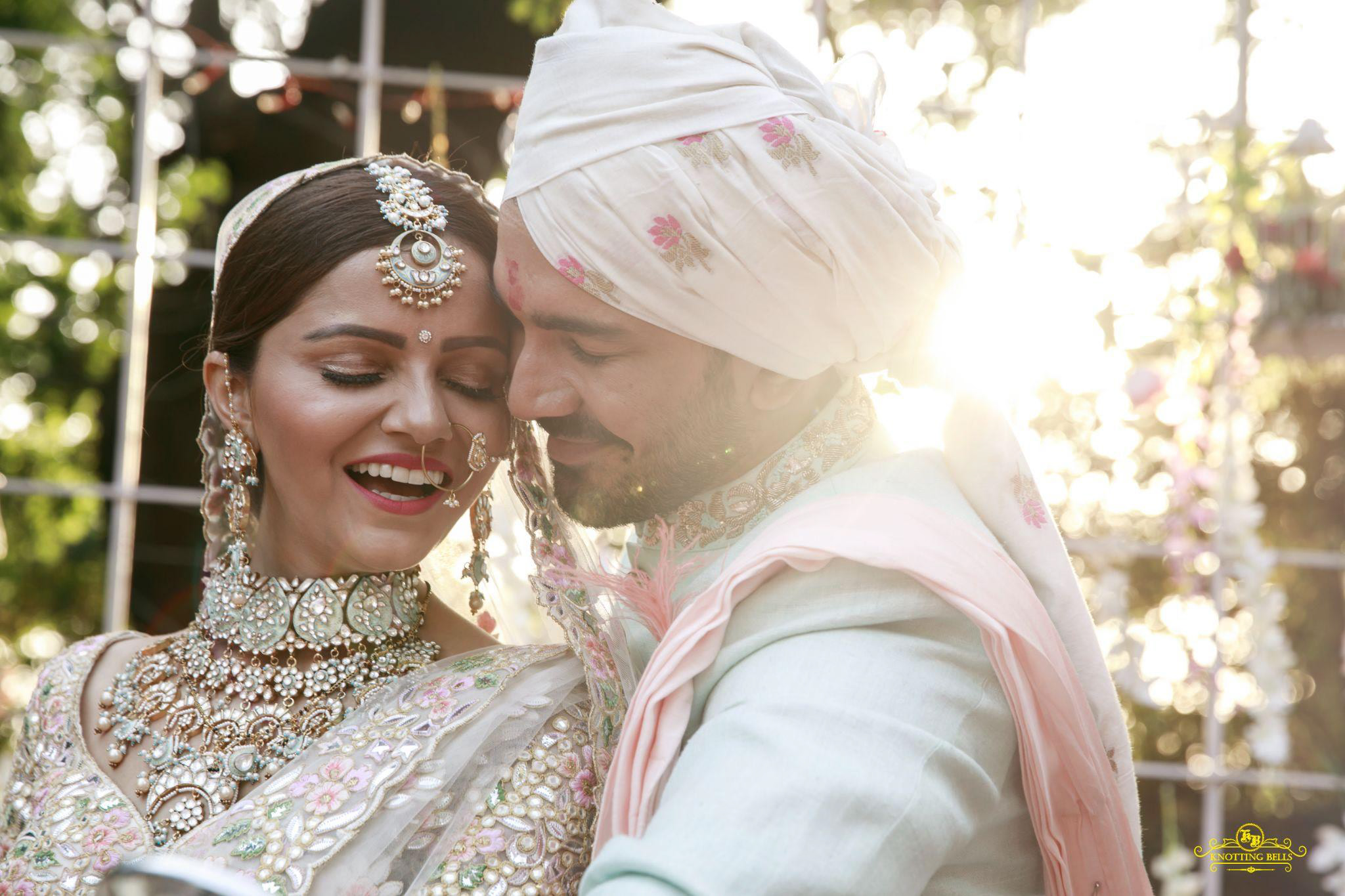
Practically: pick two officiants who have met each other before the rehearsal. Share the script in both directions. And do not ask either one to shorten their rite on the morning-of. That is how ceremonies collapse.